What are SEO Services: Costs, Value, and Why You Need Them

What are SEO Services: Costs, Value, and Why You Need Them Introduction With over 7+ years of digital marketing expertise, we’ve helped hundreds of businesses transform their online presence through strategic SEO implementation.  What are SEO services? Simply put, SEO (Search Engine Optimization) services are professional strategies that aim to enhance your website’s visibility in search results, thereby attracting more qualified traffic to your business.  In today’s competitive digital landscape, where 93% of online experiences begin with a search engine, it is essential to survive and grow a business in today’s digital landscape. In this complete guide, we will explore the costs of SEO services, demonstrating their worth, and how your business needs to adopt these approaches to build and maintain an effective online presence. Key Takeaways SEO services can include on-page, off-page, technical SEO, and local optimization. Monthly SEO prices can vary greatly, from $500-$10,000+, depending on the scope of work and the skills of the provider. Professional SEO is 5-10x more profitable than traditional marketing methods. Local SEO services usually run $300-$5,000/month, and are especially useful for businesses that focus on locations. Good quality SEO takes 3-6 months to come into effect, but it is a long-lasting, long-tail investment. What Are SEO Services? SEO services encompass a comprehensive range of optimization strategies designed to improve your website’s search engine performance: On-Page SEO Services: Keyword research and optimization Content creation and optimization Meta tags and header optimization Internal linking strategies Page speed and user experience improvements Off-Page SEO Services: Link building and outreach campaigns Brand mention monitoring Social media integration Online reputation management Technical SEO Services: Website architecture optimization Mobile responsiveness improvements Core Web Vitals optimization Schema markup implementation Site security and SSL certification Local SEO Services: Local SEO services focus specifically on optimizing businesses for location-based searches. This includes Google My Business optimization, local citation building, review management, and localized content creation—essential for businesses serving specific geographic areas. Content and Analytics: SEO audits and competitor analysis Monthly reporting and performance tracking Content strategy development Conversion rate optimization Why Do You Need SEO Services? Professional SEO services deliver measurable business benefits that compound over time: More Organic Traffic and Revenue: SEO ultimately drives qualified traffic. Traffic that is actively searching for your products or services (or similar) and showing interest in your content. The best part is that you do not have to keep paying (like advertising) for the organic traffic to keep coming in! You get sustainable growth and value over the long term. Better ROI than Paid Advertising: PPC ads or similar methods, like going to print, a constant/daily investment is needed to see results. With SEO, the results last. SEO has been shown to provide 5-10 times the ROI of other traditional marketing strategies and continues to provide value, unlike print or paid advertising.. Increased Authority of Your Brand: Higher search rankings provide trust and authority to your brand directly. People typically think of search results as levels of authority. Users think that those websites ranking in the top spots are the best in the space. Higher search results mean brand credibility goes up, and customers feel good about training with you. Better Ability to Adapt: In light of AI, it is the best time to hire SEO services. E- E-A-T (Experience, Expertise, Authoritativeness, Trustworthiness) is a key principle that will begin to attract better rankings and comply with future changes and adaptations that will undoubtedly happen. Your website needs proper guidance to comply with search algorithms, or you risk losing value. Competitive Edge: If your competitors are investing in SEO services (and you are not), you lose your market share (period). Investing in SEO will help your brand compete and retain more share of your organic search traffic. How Much Do SEO Services Cost? Understanding SEO pricing helps you budget effectively and avoid unrealistic promises: Monthly Retainer Pricing: Small Local Businesses: $500-$2,500/month Medium Businesses: $2,500-$5,000/month  Large Enterprises: $5,000-$10,000+/month Local SEO Service Costs:  Local SEO services normally cost $300-$5,000/month. The cost depends on: Number of locations Competition level in your area Scope of local optimization needed One-Time Project Costs: SEO audits- $500-$5,000 Website optimization projects- $2,000-$20,000 Content creation packages- $1,000-$10,000 Regional Pricing Differences: In countries like India, SEO is priced from ₹15,000-₹2,00,000/month, while providing a great service at a great price. Cost-Influencing Factors: Industry competition level Business size and goals Geographic scope (local vs. national vs. international) Current website condition Desired timeline for results Warning: Avoid providers promising instant results or guaranteed rankings for extremely low prices—quality SEO requires time, expertise, and consistent effort. Are SEO Services Worth It? The ROI of professional SEO services makes them one of the most valuable marketing investments: Concentrate on keywords that fit your content’s aim and align with your business objectives. Long-tail keywords often yield higher conversion rates, despite having lower search volumes, thus proving beneficial for targeted traffic.   Cost-Effectiveness Analysis: SEO costs significantly less than PPC advertising long term Organic traffic doesn’t require per-click payments Results compound over time, increasing value Measurable Business Impact: Businesses investing in professional SEO services typically see: 200-500% increase in organic traffic within 6-12 months 150-300% improvement in qualified leads 25-50% reduction in customer acquisition costs Long-Term Value Creation: SEO generates long-lasting value, as opposed to paid advertising that generates traffic only while paying for it. Solid, optimized content can generate traffic for years. When SEO Is Not Right: SEO costs significantly less than PPC advertising long term Organic traffic doesn’t require per-click payments Results compound over time, increasing value Measurable Business Impact: Businesses investing in professional SEO services typically see: 200-500% increase in organic traffic within 6-12 months 150-300% improvement in qualified leads 25-50% reduction in customer acquisition costs Long-Term Value Creation: SEO generates long-lasting value, as opposed to paid advertising that generates traffic only while paying for it. Solid, optimized content can generate traffic for years. When SEO Is Not Right: Extremely short-term goals (under 3 months) Businesses with severe budget constraints are unable to commit to 6+ month campaigns

What are SEO Services: Costs, Value, and Why You Need Them Read More »
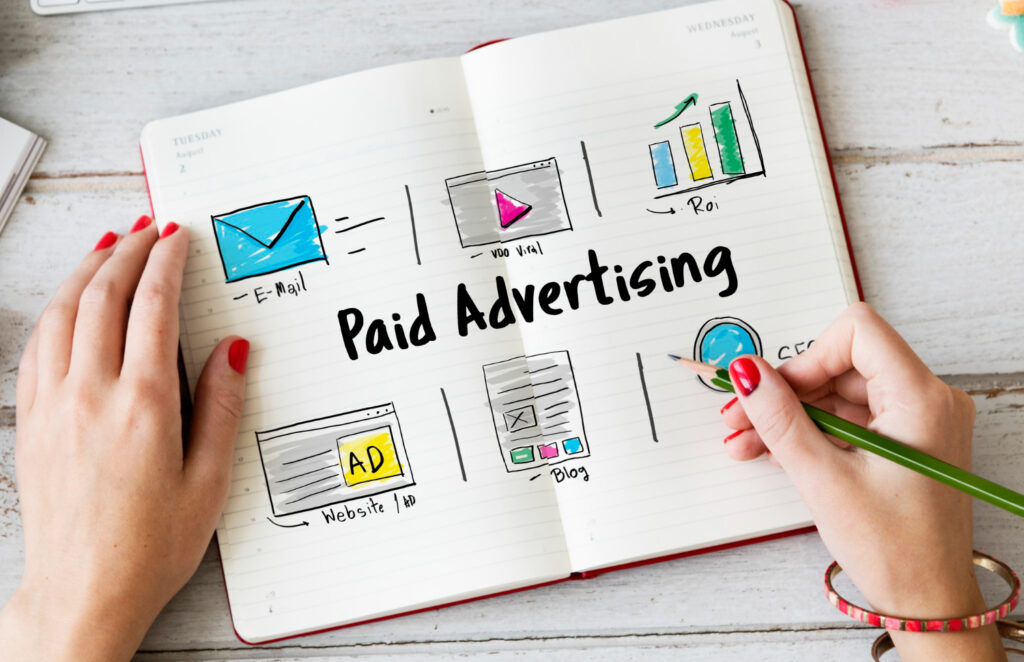
What Is Paid Media in Marketing?

What Is Paid Media in Marketing? Running a business today? You’ve probably heard about different ways to get your brand noticed online. One approach that really works is paid media. Think of it as paying to put your business in front of the right people at the right time. Whether you’re just starting or want to grow your existing business, paid media can help you see results quickly. Let’s break down everything you need to know in simple terms. What Exactly Is Paid Media? Paid media is pretty straightforward – it’s any advertising you pay for to get your message out there. This could be ads on Google when someone searches for something, sponsored posts on Facebook, or even paying an influencer to talk about your product. Here’s a simple example: Let’s say you own a coffee shop. You could pay Facebook to show your ad to people who live nearby and love coffee. When they see your ad, they might visit your shop or order online. Why Paid Media Works Think about it – when you start a business, nobody knows about you yet. Paid media solves this problem by: Getting you noticed right away (no waiting around for people to find you) Letting you choose exactly who sees your ads Giving you the flexibility to spend more when things are working Showing you clear numbers about what’s working and what isn’t Supporting your other marketing efforts Different Types of Paid Media You Can Try 1. Search Engine Advertising (Like Google Ads) When someone searches for “best pizza near me,” your pizza place can show up at the top of the results. You pay Google to make this happen. 2. Social Media Advertising Facebook, Instagram, LinkedIn – these platforms let you show ads to very specific groups of people. A local gym might target people interested in fitness who live within 15 miles. 3. Display Advertising These are the banner ads you see on websites. If you sell gardening tools, your ads might appear on gardening blogs. 4. Influencer Marketing You pay someone with the following to talk about your product. A food blogger might review your restaurant for their audience. 5. Native Advertising These ads look like regular content but are paid promotions. You might see these as “sponsored articles” on news sites. 6. Affiliate Marketing You pay people a commission when they help you make sales. Many online stores use this approach. A Real Success Story Spotify does something smart with its annual “Wrapped” campaign. They pay for ads across different platforms to get people excited about sharing their listening habits. The result? Tons of people download the app, upgrade to premium, and share their results online (which becomes free advertising for Spotify). This works because they combine personalization with smart advertising across multiple channels. For businesses wanting similar success, working with experienced professionals makes a huge difference. Digit Cure, a full-service digital marketing and growth hacking agency based in Goa, specializes in creating comprehensive paid media strategies that drive measurable results. Their expertise in search engine optimization, social media marketing, and content marketing helps businesses scale up effectively through data-driven digital marketing solutions. Paid Media vs. Other Types of Marketing Let’s clear up some confusion. There are three main types of media: Type What It Means Examples Paid Media You pay to promote your content Google Ads, Facebook Ads, sponsorships Owned Media Owned Media You control the platform Your website, email list, and social media accounts Earned Media Others talk about you for free Customer reviews, word-of-mouth, social shares The key difference? Paid media gets you quick reach, owned media builds long-term relationships, and earned media builds trust. Numbers That Matter in Paid Media When you’re running paid ads, keep an eye on these important numbers: Click-Through Rate (CTR): How many people click your ad Cost Per Click (CPC): How much each click costs you Conversion Rate: How many clicks turn into customers Cost Per Acquisition (CPA): How much it costs to get one new customer Return on Ad Spend (ROAS): How much money you make for every dollar spent Impressions: How many times do people see your ad Quality Score: How relevant and useful your ad is Cost Per Mille (CPM): Cost for 1,000 people to see your ad Lifetime Value (LTV): Total money a customer spends with you over time How to Create Great Paid Social Media Ads Here are some practical tips that work: 1. Know What You Want Are you trying to get more website visitors? Generate leads? Make sales? Be clear about your goal. 2. Understand Your Audience Social media platforms let you get really specific about who sees your ads. Use this to your advantage. 3. Make Eye-Catching Content Use images or videos that make people stop scrolling Write clear headlines that grab attention Include a clear call-to-action (like “Shop Now” or “Learn More”) 4. Test Different Versions Create several versions of your ad and see which one performs better. This is called A/B testing. 5. Start Small, Then Grow Begin with a small budget and increase it when you see good results. 6. Keep an Eye on Performance Stop ads that aren’t working Adjust who sees your ads if needed Change your images/videos regularly to keep things fresh 7. Use Retargeting Show ads to people who have already visited your website – they’re more likely to buy. 8. Find Similar Customers Use your existing customer data to find new people who might be interested in your business. 9. Make It Mobile-Friendly Most people use social media on their phones, so make sure your ads look good on mobile. 10. Track Everything Use analytics tools to see what’s working and what isn’t, then make improvements. Conclusion Paid media is like having a fast track to getting noticed online. It gives you immediate visibility, lets you target exactly the right people, and shows you clear results. Whether you’re using social media ads, Google search ads, or working with influencers, paid

What Is Paid Media in Marketing? Read More »

Why Is Authenticity Important When Marketing to Gen Z

Why Is Authenticity Important When Marketing to Gen Z When it comes to marketing to Gen Z, authenticity isn’t just a buzzword—it’s a necessity. Born between the mid-1990s and early 2010s, Gen Z has grown up with instant access to information, endless choices, and a strong sense of social awareness. This generation is quick to call out anything that feels inauthentic or overly promotional. For brands hoping to engage them effectively, understanding the importance of genuine, transparent communication is key. Who Is Gen Z and Why Do They Matter? Before diving into strategy, it’s important to answer a crucial question: why is Gen Z important to marketers? Gen Z is the most digitally fluent generation to date, with massive influence over online trends, social commerce, and buying decisions—both for themselves and within their households. As this group enters the workforce and gains financial independence, their purchasing power continues to grow rapidly. And why is Gen Z called Gen Z? The term follows the alphabetical naming trend after Gen X and Gen Y (Millennials). But in reality, this generation defies labels—they prioritize values over labels and demand that brands do the same. The Core Difference: Marketing to Gen Z vs Millennials It’s tempting to lump Gen Z and Millennials together, but the way they consume content and make decisions is quite different. This distinction is crucial when comparing marketing to Gen Z vs Millennials. While Millennials value brand prestige and are influenced by online reviews, Gen Z craves realness, representation, and relevance. They look beyond the polished ads and seek out brands that align with their beliefs and speak their language. For instance, Gen Z prefers creators over celebrities, storytelling over hard selling, and values-based messaging over flashy gimmicks. They are highly skeptical and quick to dismiss anything that feels forced or fake. The Role of Authenticity in Gen Z Marketing Strategies So what exactly does authenticity mean in Gen Z marketing strategies? It means being honest, transparent, and human. Gen Z doesn’t expect perfection—they expect honesty. They want to see the people behind the brand, understand your values, and know where you stand on issues that matter. Here are a few key pillars of authentic marketing for Gen Z: 1. User-Generated Content Gen Z trusts peer recommendations more than any brand message. UGC (user-generated content) provides real-life proof that a brand delivers on its promise. Encouraging your customers to share experiences builds community and authenticity. 2. Social Responsibility This generation wants brands to take a stand. Whether it’s sustainability, diversity, or mental health awareness, Gen Z rewards companies that are active and transparent about social causes. 3. Behind-the-Scenes Access Giving your audience a peek behind the curtain can humanize your brand. From “day in the life” content to founder stories, raw and relatable content performs better than over-polished campaigns. 4. Influencer Partnerships—The Right Way Partnering with influencers can be powerful—but only when done authentically. Gen Z can sniff out paid promotions in seconds. The best influencer partnerships feel natural and align with both the creator’s and the brand’s values. Tips for Brands: How to Be More Authentic Use clear, conversational language. Skip the corporate jargon. Speak the way your audience speaks. Be transparent. Whether it’s about pricing, production, or your mission—be open and honest. Admit mistakes. Owning up to missteps and showing how you’re improving builds trust. Engage, don’t just broadcast. Gen Z wants conversations, not monologues. Use social media to interact, not just advertise. Final Thoughts Authenticity isn’t a strategy—it’s a commitment. When brands approach marketing to Gen Z with honesty, empathy, and value-driven messaging, they build not just loyal customers, but passionate advocates. In a world saturated with ads and content, it’s the real stories, real voices, and real values that stand out. As the digital landscape evolves, so must your approach to Gen Z marketing. Understand their mindset, respect their values, and most importantly—keep it real. You might also like…. How to Calculate ROI in Digital Marketing — Strategy, KPIs & Why It Matters You might also like…. 17Oct How to Calculate ROI in Digital Marketing — Strategy, KPIs & Why It Matters 17Oct What Is Growth Hacking: Meaning, Strategy & Why It’s Important in Marketing 26Aug Why Social Media Marketing Is Important for Your Business: Benefits, Costs, and Strategies for Small Businesses

Why Is Authenticity Important When Marketing to Gen Z Read More »

Green Marketing: How Brands Are Winning Over Eco-Conscious Consumers

Green Marketing: How Brands Are Winning Over Eco-Conscious Consumers In our current eco-aware society, consumers place greater importance on sustainability in their buying choices. This change has prompted companies to implement green marketing strategies that showcase their dedication to environmentally friendly practices. From eco-friendly promotional products to green advertising, brands are discovering creative methods to attract an expanding demographic that prioritizes sustainability. This blog will delve into how businesses utilize green marketing, the advantages of eco-friendly promotional products, and some exemplary green marketing examples that define sustainable branding. Key Takeaways Green marketing allows brands to attract environmentally conscious consumers by demonstrating real sustainability initiatives and eco-friendly practices. Providing green promotional products not only elevates a brand’s image but also contributes to the conservation of nature. The shift towards sustainable brands is driven by consumers who are also ready to pay a higher price for eco-friendly products. Being transparent and authentic are the most important factors; greenwashing may lead to loss of credibility and customer trust. Green marketing campaigns that succeed emphasize the sustainability aspect beyond just short-term promotions. Small businesses, in fact, can also implement green marketing by changing to eco-friendly packaging, selecting ethical suppliers, and sharing their progress through green advertising. What Is Green Marketing? Green marketing involves promoting products or services by highlighting their environmental advantages. This may encompass sustainable manufacturing practices, compostable packaging, energy-saving processes, or philanthropic efforts that aid environmental initiatives. Green advertising aims to do more than sell products; it establishes trust with environmentally aware consumers by showcasing a true dedication to minimizing ecological harm. Why Green Marketing Matters As climate change and pollution rise as significant global issues, consumers are increasingly looking for brands that reflect their values. Research indicates that most shoppers favor sustainable brands and are prepared to spend more on eco-friendly products. By adopting green marketing, businesses can: Enhance brand reputation – Showcasing sustainability efforts builds credibility. Attract eco-conscious customers – A growing demographic that values ethical consumption. Reduce environmental impact – Lowering carbon footprints benefits both the planet and long-term business sustainability. Eco-Friendly Promotional Products & Items Brands are increasingly utilizing eco-friendly promotional products as a key strategy in green marketing. Outdated giveaways like plastic pens and non-recyclable items are now being substituted with sustainable options such as Reusable tote bags made from organic cotton or recycled materials Bamboo or recycled metal water bottles Seed paper notebooks that can be planted after use Solar-powered chargers and gadgets These eco-friendly promotional items act as useful tools while simultaneously showcasing a brand’s dedication to sustainability with each use. Successful Green Marketing Examples Several brands have set benchmarks in green advertising with innovative campaigns: Patagonia – “Don’t Buy This Jacket” Patagonia’s bold initiative promoted the reduction of needless purchases, encouraging consumers to mend their existing apparel instead of opting for new items. This genuine strategy reinforced their status as a pioneer in sustainable fashion. IKEA – Sustainable Home Solutions IKEA promotes energy-saving products, solar energy solutions, and furniture crafted from recycled resources. Their ‘Buy Back & Resell’ initiative motivates customers to return their old furniture, minimizing waste. Lush – Naked Packaging Initiative Lush significantly reduces plastic waste by offering shampoo bars, solid conditioners, and packaging-free cosmetics. Conclusion Green marketing has evolved from a trend to an essential strategy for brands aiming to remain relevant in an environmentally aware market. By incorporating eco-friendly promotional items, embracing sustainable practices, and using green advertising, companies can attract dedicated customers while contributing positively to the environment. Are you ready to embrace green marketing? Start small, stay authentic, and watch your brand grow alongside a greener future! FAQs What are the key elements of a successful green marketing strategy? A strong green marketing strategy focuses on transparent sustainability claims, eco-friendly promotional practices, and a genuine commitment to reducing environmental impact. It also requires clear communication of environmental benefits to help consumers make informed, responsible choices. How can small businesses adopt green marketing? Small businesses can begin by switching to sustainable packaging, offering eco-friendly promotional products, and partnering with green suppliers. They can further boost impact by promoting these efforts through social media and green advertising. Are consumers really willing to pay more for sustainable products? Yes! Studies show that over 60% of consumers are willing to pay higher prices for brands prioritizing sustainability, especially among younger generations like Millennials and Gen Z. How may companies avert greenwashing in their environmentally friendly advertising? Companies must give detailed, verifiable statements, employ certifications if possible, and refrain from using vague words. Being transparent about the limitations and future changes keeps the trust intact. What is the effect of green marketing on brand loyalty over time? Advertising environmentally friendly products helps to build an emotional bond and trust, which results in greater loyalty. Customers will be more loyal to the brands that reflect their eco-friendly values and show realness consistently. You might also like…. What is Apparel Marketing and Effective Strategies for Clothing Brands You might also like…. 24Jan What is Apparel Marketing and Effective Strategies for Clothing Brands 24Jan How to Do B2B Marketing: Basics, Strategies & Best Practices 24Dec What is Lead Generation Marketing: Strategy, Funnel & Demand vs Lead Gen Explained

Green Marketing: How Brands Are Winning Over Eco-Conscious Consumers Read More »

Amazon Live vs TikTok Shop: Which Platform Is Best for Your Brand?

Amazon Live vs TikTok Shop: Which Platform Is Best for Your Brand? Live shopping has changed online shopping, letting brands connect with customers instantly. Amazon Live and TikTok Shop are two key platforms that provide different features for live selling. Which one is right for your brand? This blog compares Amazon Live and TikTok Shop, looking at their advantages, audience size, and how they fit different business needs. If you’re organizing a live shopping event or want to increase sales through live shopping, this guide will assist you in making a choice. Key Takeaways Amazon Live is the best channel for immediate conversions, Due to a ready, to, buy audience who are already browsing Amazon.  With engagement and virality as strong points, TikTok Shop is simply the best for the younger generation who are crazy about interactive and creative content. Amazon Live is the right choice of communication channel for an established brand that has an Amazon store and is mainly focused on product demonstrations. TikTok shop is the right place for trend-driven brands, especially those that use influencers and short-form entertaining content. The difference in audience intent is huge: Amazon users are coming with a buying mindset, whereas TikTok users are more likely to be inspired and follow trends. Each of these platforms is a perfect match for the other. Amazon Live can be used for sales, while TikTok Shop can be used for visibility and awareness. 1. Overview: Amazon Live vs. TikTok Shop Amazon Live Amazon Live is Amazon’s dedicated platform for live shopping, allowing sellers to showcase products in real time. It integrates directly with Amazon’s marketplace, making it easy for viewers to purchase featured items. Key Features: Seamless shopping experience (products linked to Amazon listings) Access to Amazon’s massive customer base Analytics and performance tracking Ideal for established brands selling on Amazon TikTok Shop TikTok Shop merges fun and shopping by using TikTok’s viral nature for TikTok online shopping. Brands can do live streams, display products, and interact with a young, engaged audience. Key Features: High engagement from Gen Z and millennials Viral potential through TikTok’s algorithm Interactive features like live chat, polls, and discounts Great for influencer collaborations and trend-driven marketing 2. Audience & Reach Amazon Live: Built for Shoppers Amazon Live targets shoppers who are ready to buy. As a product-focused platform, Amazon increases the chances of viewers making purchases. Amazon Live selling can be very successful if you aim for immediate sales. Best for: Brands with an existing Amazon store Businesses targeting older demographics (millennials and Gen X) Sellers looking for high-intent buyers TikTok Shop: Built for Engagement TikTok has a young audience, with 60% of users between 16 and 24 years old. The platform is all about trends, fun, and spontaneous purchases. If your brand focuses on creativity and storytelling, TikTok Shop can boost your engagement significantly. Best for: Trendy, visually appealing products Brands targeting Gen Z and younger millennials Businesses  leveraging influencer marketing 3. Ease of Use & Selling Features Amazon Live Pros: No additional setup needed if you already sell on Amazon Built-in “See All Deals” section for increased visibility Automated closed captions for accessibility Cons: Less interactive than TikTok (fewer engagement tools) Requires Amazon approval for some features TikTok Shop Pros: Highly interactive with live chats, Q&A, and real-time reactions Ability to add shoppable links during streams Strong influencer collaboration opportunities Cons: Requires content creation skills (entertainment-focused) A younger audience may have lower immediate purchase intent 4. Which Platform Should You Choose? Choose Amazon Live If… You already sell on Amazon and want to boost conversions Your audience is older and more purchase-ready You prefer a straightforward live shopping event without heavy content creation Choose TikTok Shop If… Your brand aligns with trends and viral content You want to engage a younger, social-media-savvy audience You’re willing to invest in influencer partnerships and creative content Final Verdict Amazon Live and TikTok Shop offer powerful tools for live shopping, but the best choice depends on your brand’s goals. Amazon Live is ideal for direct sales and leveraging Amazon’s existing customer base. TikTok Shop excels in engagement, virality, and reaching younger shoppers. Some brands use both Amazon Live for sales and TikTok Shop for visibility. Try both to find out which works best for you! Conclusion Are you set to start your next live shopping event? Whether you go with Amazon Live or TikTok online shopping, the important part is to connect with your audience genuinely and create buzz about your products. FAQ’s Which platform drives more direct sales? Amazon Live typically generates higher direct conversions since viewers are already in “buying mode” on Amazon. Which platform is better for brand awareness and engagement? Thanks to its interactive tools, viral potential, and strong presence among Gen Z and millennials, TikTok Shop leads in engagement. Do I need an Amazon store or a TikTok following to succeed? On Amazon Live, you need to be an approved Amazon seller. Strong content creation and influencer collaborations are key for TikTok Shop, even if your following is small. Can a brand use both platforms together? Yes! Many brands combine Amazon Live for conversions and TikTok Shop for awareness and buzz, creating a powerful dual-channel live shopping strategy. Does TikTok Shop function well for brands that have products of a higher price? Yes, however, the outcome is largely influenced by how the product is showcased. Expensive products go great with compelling narratives, influencer testimonials, and exciting live demonstrations that evoke confidence. You might also like…. What is Apparel Marketing and Effective Strategies for Clothing Brands You might also like…. 24Jan What is Apparel Marketing and Effective Strategies for Clothing Brands 24Jan How to Do B2B Marketing: Basics, Strategies & Best Practices 24Dec What is Lead Generation Marketing: Strategy, Funnel & Demand vs Lead Gen Explained

Amazon Live vs TikTok Shop: Which Platform Is Best for Your Brand? Read More »

The impact of voice search on your SEO strategy

The impact of voice search on your SEO strategy Voice search is no longer just a concept of the future; it is actively changing how users interact with search engines today. The growth of smart speakers, virtual assistants, and mobile voice search has made optimizing for Voice Search SEO an essential aspect of any effective digital marketing strategy. For those in digital marketing and SEO, it is important to understand the impact of voice search on SEO to remain competitive. In this blog, we will discuss how voice search influences user behavior, identify key trends for 2025, and offer actionable tips to improve your SEO strategy for voice search. Key Takeaway SEO is being changed by voice search, which is giving more importance to conversational, question-based, and long-tail queries rather than traditional short keywords. Local SEO is very important, as the majority of voice searches are location-specific and done on mobile devices. By optimizing for featured snippets, you increase the chance of getting a “position zero” ranking for voice queries. The speed of the website and its compatibility with mobile devices are very important, as users demand instant results on mobile devices. Structured data (schema markup) informs the search engines about your content in a better way, and thus, your voice search performance gets improved. By being proactive in the creation of FAQ pages and content in natural language, you enhance your opportunity to get voice search traffic. What is Voice Search SEO? Voice Search SEO is about optimizing your website and content to rank well for searches made through voice commands. Unlike conventional text searches, voice queries are usually more conversational, longer, and question-oriented. For example, instead of searching for “best coffee shops near me” by typing, a user might inquire, “Where can I find the best coffee shop near me?” This change in search patterns requires a new method for Voice Search Optimization. How Voice Search is Changing User Behavior Conversational Queries: Voice searches are more genuine and conversational, often using complete sentences or questions. Local Search Dominance: Many voice searches are focused on local results, often including phrases like “near me.” Mobile-First: Most voice searches happen on mobile devices, emphasizing the need for mobile-friendly websites. Since most voice searches occur on mobile devices, ensuring a responsive design is essential. Learn more about mobile optimization in our blog Why Is It Important to Have a Mobile-Friendly Website. Speed Matters: Users expect instant answers, making page speed and featured snippets crucial. Key Trends in Voice Search for 2025 Rise of AI-Powered Assistants: Virtual assistants such as Siri, Alexa, and Google Assistant will grow more intelligent, improving their ability to grasp context and user intentions. Increased Local Search Usage: Businesses with powerful local SEO will dominate voice search results. Long-Tail Keywords: Voice searches will continue to favor long-tail, question-based keywords. Multilingual Voice Search: As voice technology improves, multilingual and accent-based searches will become more accurate. How to Optimize Your SEO Strategy for Voice Search Focus on Conversational Keywords:  Include question-oriented phrases like “how,” “what,” and “where” in your content for a more natural feel. Optimize for Local SEO: Claim your Google My Business listing, use local keywords, and ensure your NAP (Name, Address, Phone) information is consistent. Claiming and optimizing your Google My Business listing is a key step for voice search visibility, as explained in our guide on How to add a business on Google Maps. Leverage Featured Snippets: Structure your content to answer common questions concisely, increasing your chances of appearing in position zero. Improve Page Speed: Ensure your website loads quickly, as slow sites are less likely to rank for voice searches. Create FAQ Pages: Develop FAQ sections that answer common voice search queries directly. Optimizing for local SEO is crucial, and you can refer to our Handy Local SEO Checklist to Optimize Local Search to ensure your business ranks for ‘near me’ and location-specific voice queries. Tools and Techniques for Voice Search Optimization Google’s Voice Search Testing Tool: Analyze how your site performs for voice queries. AnswerThePublic: Discover question-based keywords your audience is searching for. Schema Markup: Use structured data to help search engines understand your content better. Mobile Optimization Tools: Test your site’s mobile-friendliness with tools like Google’s Mobile-Friendly Test. Conclusion Voice search is no longer just a passing trend; it represents a significant change in how people use search engines. To keep up with this evolution, it’s essential to understand voice search’s impact on SEO and adopt strategies like conversational keyword optimization, local SEO, and featured snippet targeting. Start optimizing your site for Voice Search SEO today to stay competitive and benefit from the rising trend of voice search. FAQ’s How is voice search different from traditional text search? Voice queries are longer, conversational, and often phrased as questions, whereas text searches are usually shorter and keyword-focused. Why is local SEO important for voice search? Most voice searches have local intent (e.g., “near me” queries). Businesses with optimized local listings and consistent NAP info are more likely to appear in results. What type of keywords work best for voice search optimization? Long-tail, question-based, and conversational keywords like “how,” “what,” “where,” and “best” perform best for capturing voice queries. Which technical factors impact voice search rankings the most? Page speed, mobile optimization, structured data (schema markup), and concise answers (featured snippets) are key in ranking for voice results. How do I make my content more voice search-friendly? Use natural, conversational language, provide direct answers to questions, and organize your content into short, readable paragraphs or bullet points. You might also like…. What is Apparel Marketing and Effective Strategies for Clothing Brands You might also like…. 24Jan What is Apparel Marketing and Effective Strategies for Clothing Brands 24Jan How to Do B2B Marketing: Basics, Strategies & Best Practices 24Dec What is Lead Generation Marketing: Strategy, Funnel & Demand vs Lead Gen Explained

The impact of voice search on your SEO strategy Read More »

DeepSeek R1: A Cost-Effective Alternative to ChatGPT?

DeepSeek R1: A Cost-Effective Alternative to ChatGPT? Artificial Intelligence (AI) chatbots have revolutionized our engagement with technology. While ChatGPT remains one of the most prominent AI models, several new players are emerging with cost-effective and creative solutions. One such player is DeepSeek AI, which has recently unveiled its new model, DeepSeek R1. This blog post explores whether DeepSeek R1 can serve as a useful alternative to ChatGPT and what differentiates it in the competitive AI market. What is DeepSeek AI? DeepSeek AI is an innovative artificial intelligence company specializing in natural language processing (NLP) and deep learning technologies. Established by prominent figures in the AI field, the DeepSeek founder is dedicated to building strong and user-friendly AI models. The company has attracted significant interest for its development of DeepSeek open-source models, helping developers incorporate AI solutions into various applications without the high costs associated with proprietary platforms. DeepSeek R1 vs. ChatGPT: Key Differences When comparing DeepSeek vs ChatGPT, several factors come into play: Performance & Capabilities: DeepSeek R1 is designed to effectively handle complex language processing challenges. While ChatGPT is a notable competitor, DeepSeek AI provides competitive performance at a more affordable price. Pricing & Accessibility: A key advantage of DeepSeek R1 is its cost-effective pricing. Many businesses and developers look for budget-friendly AI solutions, which positions DeepSeek AI as an effective choice. Applications & Use Cases: Both models are suitable for applications such as chatbots, content creation, and business automation. However, the open-source design of DeepSeek R1 allows for more significant customization in specific applications. For businesses seeking an AI chatbot without high subscription fees, DeepSeek R1 provides a promising alternative. Open-Source Advantage: DeepSeek Open Source A key advantage of DeepSeek AI is its open-source architecture. In contrast to ChatGPT, which operates within a closed system, DeepSeek R1 allows developers to modify and enhance the model to suit their requirements. This capability is particularly beneficial for organizations aiming to tailor AI solutions for particular applications while ensuring data security and cost management. DeepSeek AI: A Leading Chinese AI Innovation As AI development continues to expand globally, DeepSeek Chinese AI is emerging as a key innovator in the field. The company’s improvement in machine learning and natural language processing. DeepSeek AI contributes to China’s growing presence in the AI industry. Its focus on open-source technology aligns with China’s vision of AI-driven growth, making it a strong contender in the global AI market. Conclusion: Should You Choose DeepSeek R1? If you are looking for a cost-effective and open-source alternative to ChatGPT, DeepSeek AI is worth considering. With strong performance, flexible customization, and a growing reputation in the AI field, DeepSeek R1 stands out as the best option. Whether you are a business, or developer, exploring DeepSeek AI could be a step towards more affordable and adaptable AI solutions. You might also like…. How to Calculate ROI in Digital Marketing — Strategy, KPIs & Why It Matters You might also like…. 17Oct How to Calculate ROI in Digital Marketing — Strategy, KPIs & Why It Matters 17Oct What Is Growth Hacking: Meaning, Strategy & Why It’s Important in Marketing 26Aug Why Social Media Marketing Is Important for Your Business: Benefits, Costs, and Strategies for Small Businesses

DeepSeek R1: A Cost-Effective Alternative to ChatGPT? Read More »

How to Choose the Right Web Design Company in Goa for Your Business

Why Social Media Marketing Is Important for Your Business: Benefits, Costs, and Strategies for Small Businesses Introduction Creating a professional website is crucial for establishing a strong online presence. When selecting the right web design company in Goa, you need to ensure they align with your business goals and deliver high-quality results. Here’s a step-by-step guide to help you make the right choice: 1. Understand Your Needs Before approaching a web design company, identify your website goals. Are you looking for an e-commerce platform, a portfolio website, or a business website in Goa? Clear requirements help you communicate effectively with potential companies. 2. Evaluate Their Portfolio A professional web design company in Goa will have an impressive portfolio showcasing previous projects. Review their designs for creativity, user-friendliness, and responsiveness. This helps you gauge their expertise in delivering quality work. 3. Check Client Testimonials and Reviews Read client reviews to understand their experiences. A company with positive feedback for professional web design in Goa is more likely to meet your expectations. Testimonials provide insights into their reliability and customer service. 4. Consider Their Technical Expertise Ensure the company is proficient in modern web design tools and technologies. Ask if they specialize in responsive design, SEO integration, and content management systems. 5. Discuss Pricing and Timelines Cost is a significant factor when choosing web design in Goa. Request detailed quotations and ensure there are no hidden charges. Confirm the timelines for project completion to avoid delays. 6. Focus on After-Sales Support A reliable web design company offers maintenance and support services after the website goes live. Ensure they assist with updates, bug fixes, and future enhancements. 7. Assess Their Communication Skills Effective communication ensures your vision is understood and implemented. Choose a company that listens to your ideas and provides constructive suggestions. 8. Verify Their Knowledge of SEO A good web design goes beyond aesthetics. The company should understand SEO principles to ensure your business website in Goa ranks well on search engines. 9. Local Expertise Opting for a company based in Goa can be beneficial as they understand the local market and audience preferences. They can offer tailored solutions for your business. By following these steps, you can select a web design partner that delivers a high-performing, visually appealing website for your business. Choose wisely and invest in a company that aligns with your brand values and goals. You might also like…. How to Calculate ROI in Digital Marketing — Strategy, KPIs & Why It Matters You might also like…. 17Oct How to Calculate ROI in Digital Marketing — Strategy, KPIs & Why It Matters 17Oct What Is Growth Hacking: Meaning, Strategy & Why It’s Important in Marketing 26Aug Why Social Media Marketing Is Important for Your Business: Benefits, Costs, and Strategies for Small Businesses

How to Choose the Right Web Design Company in Goa for Your Business Read More »

5 Reasons Why Small Businesses should take up Digital Marketing.

Why Social Media Marketing Is Important for Your Business: Benefits, Costs, and Strategies for Small Businesses Introduction “Big businesses start small“, but do all small businesses turn big? Very few can make their existence and presence in the market – a world of high competition. Most small businesses go with traditional ways of marketing and end up spending a lot of money with low results. Digital Marketing is just the thing you need to boost your business. In simple terms, Digital marketing is the marketing of products or services using digital technologies on the Internet, and here are some reasons why! A very affordable and advanced way to take your business ahead, not every small business has a big budget to invest in marketing. Imagine spending 1,30,000 INR (source: seriouslysimplemarketing.com) on advertising using broadcast, newspapers, magazines and mails, when you can save up to 80% on the same using Digital Marketing. (This does mean you save a lot to invest in other aspects of your business) There are 2 Billion active members on Facebook itself! Facebook owns 3 of the top 6 social media being Instagram, WhatsApp and Facebook messenger. Now, that’s a wide community to look for. A stronger online presence will lead to high exposure. The insights in social media platforms provide a great way to target the right audience based on age, interest, country and time. Almost everyone uses mobile phones and tablets. Using strategies and tactics to support such easily accessible devices will add on as tremendous growth support. Digital content, especially with images and videos, generate high – 650% of engagement. B2B is growing fast, so is their priority for visual content. Three-fourths of B2B prefer visual content over any traditional sources. Why do you prefer a product over the other? How do you make an opinion on whether to visit a place? How do you trust a service? Reviews! These act as social proof of any business online. Good reviews builds up trust and your solutions to bad reviews helps building trust. It educates your audience to make smarter purchasing decisions. High engagements lead to more growth, helping you attract more leads through search engines. Small businesses face heavy competition not just from other small businesses, but also from large corporations and industry giants. So, Digital marketing provides you with a platform to show your audience, how you are different from the rest and you stand amongst your competition list. You can make Google fall in love with your business by using the SEO strategies it provides for optimizing your website contents and monitoring. Now, we have a bunch of reasons why small businesses should take up Digital marketing. So when are you starting a journey to make a difference with this smart step? You might also like…. How to Calculate ROI in Digital Marketing — Strategy, KPIs & Why It Matters You might also like…. 17Oct How to Calculate ROI in Digital Marketing — Strategy, KPIs & Why It Matters 17Oct What Is Growth Hacking: Meaning, Strategy & Why It’s Important in Marketing 26Aug Why Social Media Marketing Is Important for Your Business: Benefits, Costs, and Strategies for Small Businesses

5 Reasons Why Small Businesses should take up Digital Marketing. Read More »

Scroll to Top