How To Do Hotel Marketing: Strategy, Ideas & Digital Tactics

SEO for Real Estate Marketing: Strategy, Local Tactics & Best Practices – Copy Introduction Our experience has been working alongside hotels for years to improve their ROI through customer-centered marketing strategies. In this comprehensive guide, we will explore the best practices of hotel marketing from defining your unique value proposition to engaging travelers at all the different stages of their stay.  A well-thought-out hotel marketing strategy will reduce reliance on third-party booking sites and facilitate guest loyalty over time. The framework of this guide outlines proven tactics to attract guests, create revenue, and strengthen your brand. Key Takeaways Hotel marketing encompasses activities related to branding, price setting, and online advertising to drive direct bookings.  SEO, social media, and email campaigns are utilized to improve the hotel’s online visibility.  Loyalty programs and targeted offers during peak reservation season help to engender guest loyalty.  Managing the management and response to relevant guest hotel reviews and confirming consistent brand experiences creates shadowing and trust with the guest.  Data-driven personalization and AI tools are changing the now and future of hotel marketing. How to do hotel marketing effectively? Join together data-driven digital marketing and authentic storytelling, prioritize direct bookings through SEO and email campaigns, then use guest reviews to build credibility. Key steps: Build a strong brand identity Optimize your website for search and conversion Run targeted social and paid ad campaigns Create loyalty programs to encourage repeat stays Understanding Hotel Marketing Strategy A good hotel marketing strategy consists of three components: Branding and Positioning: The first question to ask yourself is what differentiates your property. Is it luxury? Family-friendly? Boutique accommodation? Pricing Strategy: Change rates based on demand and seasonality with dynamic pricing. You can easily make your prices go up and down based on research you’ve done. Customer Segmentation: Determining which key audience segments are most important to you (such as business travelers, couples, or families) and creating messaging specific to each audience segment.Direct Bookings vs OTAs: OTAs, such as Booking.com, will give you reach but at a high commission cost. You must create an effective strategy for direct bookings–this is about generating more revenue for your hotel, directly through your website, email, and/or loyalty program. Digit Cure helps hospitality brands design digital strategies that drive guests to book directly while building a brand for the long term. Key Hotel Marketing Ideas Reward and Referral Programs: Reward guests for returning stays with membership upgrades, discounts, or credit to the restaurant, and refer friends for additional guest membership.  Packages Created Around Events and Experiences: Packages that create value around local events or experiences, such as spa weekends, wine tours, or adventure getaways.  Content marketing: Share guests’ experiences, promote local attractions, and increase your trust, SEO value, and visibility with video and/or blog content. Digital Marketing Strategy for the Hospitality Sector Search Engine Optimization Best Practices: Target keywords based on your location (i.e., “5-star hotel in [city]”) Create landing pages specific to the amenities and attractions of the destination. Test mobile and fast load speed. Social Media: Instagram/TikTok: Communicate and share your story through images and moving images in reels and highlights.   Facebook: Post about events and offers. LinkedIn: Focus on corporate/MICE clients.   Email Marketing: Segment your guests based on their booking behavior. Send them pre-arrival tips, thank you emails, and offers to “come back.” Paid Media: Utilize Google Ads for searches with intent. Utilize retargeting to re-engage visitors. Collaborate with influencers for authentic exposure. Analytics & Insights: Follow booking sources, conversion percentage, and audience demographics to optimize campaigns. For expert digital marketing services, visit Digit Cure. Digit Cure provides end-to-end digital marketing strategies tailored to your business. From SEO audits to social media management, we ensure every campaign drives measurable results. Campaign Planning and Execution  Establish your goal (grow 20% in direct bookings). Define your audience and selection of content.  Choose 3–4 applicable channels.  Develop a content calendar around key dates.  Implement, manage, and adjust the results. Consider allocating 5–10% of total revenues to marketing, plan starting out with organic and email, and then grow paid advertisements. Hotel Marketing Best Practices Maintain a unified brand recognition across all platforms. Reply to all reviews in a timely and professional manner. Encourage your team to help with the online activity. Assess your Key Performance Indicators (KPIs), including website traffic, conversions, and repeat bookings. Don’t ignore mobile optimization, email follow-ups, or continuous posts. Decrease the dependence on OTAs and invest in a good direct booking engine. Emerging Trends AI and Chatbots: Give immediate responses and enhance guest service.   Personalization: Use CRM data to send personalized offers and packages.   Voice Search Optimization: Target natural language queries (“best pet-friendly hotel in Miami”).   Mobile-First Marketing: Design for mobile-first users with app-based loyalty and push deals. Conclusion To successfully market hotels takes planning, creativity, and analytics. Leverage these hotel marketing tips and best practices to attract hotel guests, increase direct bookings, and foster loyalty.  Are you ready to prepare your hotel for new growth? Contact Digit Cure today for customized digital marketing strategies that work. FAQs What would you recommend as a strong marketing strategy for hotels? Use a marketing strategy that plays on various channels – SEO, social media marketing, email automation, and Google Ads – which generally has a great ROI. It becomes even more necessary to increase direct bookings through your hotel website and loyalty program. Can you suggest hotels with direct booking marketing ideas? Provide direct booking incentives (like free breakfast and upgrades) on your website, and optimize your website for conversion – focusing on your content and presentation to increase direct bookings. Employ retargeting ads on your social networks to remind those who received the booking engine pop-up on the website, but did not complete the booking (7576+ people visited your site – Don’t forget to book our hotel!). What are some hotel marketing ideas for smaller hotels? Using local SEO, tapping into local businesses for reciprocal marketing, check with your other followers for user-generated content to interact with on your social,

 How To Do Hotel Marketing: Strategy, Ideas & Digital Tactics Read More »

What is Experiential Marketing: Definition, Importance & Strategy

What is Experiential Marketing: Definition, Importance & Strategy Introduction Did you know that 91% of buyers feel more positively toward a brand after using their experiential marketing? Over the past few years, Digit Cure has been the standard bearer in the digital marketing world, helping brands create true connections by using brilliant and creative marketing campaigns. In this guide, you will learn about experiential marketing, why it matters, and how to build a successful marketing strategy. Key Takeaways Experiential marketing creates memorable experiences and interactive types of brand engagement that foster a true emotional and physical bond with customers. Experiential marketing experiences have engagement rates 4 times higher than other advertising methods, create lasting loyalty, and are worth 84 billion dollars globally and projected to grow at 21% each year through 2028.  Successful experiential marketing engagements demand thorough Planning, a continued focus on goals, and the experience must be more important to the participants than the experience itself. The size of the business does not limit the use of effective experiential marketing strategies, as long as the business has a budget plan. What is Experiential Marketing? In simple terms, what is experiential marketing? Experiential marketing is a marketing strategy that invites audiences to engage in a brand’s narrative experience, which is almost solely experiential and active experiences. Experiential marketing, in its simplest form, asks consumers to feel, touch, and live the brand, unlike a traditional advertisement that merely tells consumers about a given product.Key principles are creating new authentic moments, shared emotional feelings, and experiencing value beyond product features. The Significance of Experiential Marketing [Key Benefits] Knowing the importance of experiential marketing acts as a justification for the investment:  Brand Exposure: Experiential campaigns produce approximately ten times the social media impressions compared to a written post.   Customer Retention: 74% of customers will be more likely to buy after engaging in branded experiences. Lead Generation: Experiential campaigns create quality inquiries that convert at a rate of 85%. Viral Potential: Shareable experiences generate user-generated content with participants posting 3-4 times per event ROI Statistics: Brands see an average ROI of $4 for every $1 spent on experiential campaigns. The Experiential Marketing Industry The global experiential marketing market is valued at $84 billion and has a projected 21% annual growth rate until 2028. Among trends in the industry are an increasing use of augmented reality (AR) and virtual reality (VR) as technologies allow brands to scale experiences unbound by pull activity. Technology has changed the activation landscape through capabilities such as facial recognition, interactive displays, and AI-personalisation. Experiential campaigns have become more compelling with a renewed sense of value to human connection in a post-pandemic world. Experiential Marketing Strategy Framework: If you plan to develop an experiential marketing program, please consider these items: Strategic Planning: setting your focus on business objectives such as brand awareness or launching a product.  Defining Your Audience: Identify psychosocial and demographic features to engage the target audience best.  Setting Goals and KPIs: Set quantifiable goals such as social media mentions, captured leads, or anything relevant to your business model. Budget Parameters: Expect to use roughly 15-25% of your marketing budget on experiential campaigns. Timeline and Resources: Think about activities for a minimum of 3-6 months, for major activations. For professional support, contact Digit Cure. Digit Cure specializes in helping brands develop comprehensive marketing strategies that integrate experiential campaigns with broader digital initiatives for maximum impact. Forms of Experiential Marketing What is an example of experiential marketing? Event Marketing: Branded lounges at concerts or conferences  Pop-up Experiences: Short-term retail spaces to provide exhilaration and urgency to consumers. Product Demonstrations: Hands-on product testing Guerrilla Marketing: The use of non-traditional methods that target the intended audience in their daily surroundings Brand Activations: An immersive experience that is part of a campaign in a festival or sporting event Digital/ Virtual Experiences: An engagement of VR, AR, or gamification that receives audiences who are not present In-store Experiences:  The customer engages at the store with active displays and personalization stations How to Enter Experiential Marketing? If you are wondering about a way to break into the field of experiential marketing: Required Qualifications: Sample qualifications are project management, creative thinking, budget management, and communication with vendors. Here are some position titles: Event Manager, Brand Experience Builder, Event Activation Coordinator, etc.  The salary range is as follows: Starting at an entry-level position, it is $45,000-60,000; Executive-level directors earn $100,000-150,000.  The next steps are to look online or in person for certification courses through the Event Marketing Institute and colleges/universities with event management-related career prep programs. Common mistakes to avoid Valuing Style Over Substance: Flashy experiences that do not make a real brand connection will always fail. Poor Data Collection: Failure to leverage a great chance to collect attendee data. No Follow Up: Not cultivating leads diminishes ROI by 60%.  Budget Misallocation: Buying too much production and not enough promotion.  Insufficient Planning: Having to run timelines leads to an execution failure. Conclusion The future for brand and consumer relationships is experiential marketing, which creates authentic relationships between brands and consumers that can’t be achieved through traditional marketing methods. Brands can turn casual bystanders into brand advocates using these models and methods outlined in this guide. Ready to elevate your marketing strategy? Digit Cure is a full-service digital marketing agency specializing in SEO, content marketing, social media management, and integrated marketing strategies that help businesses design and execute impactful experiential campaigns. Contact us today to start creating unforgettable brand experiences. FAQs How much does experiential marketing cost? Experiential marketing can range from as little as $5,000 for smaller pop-up activations to more than $1,000,000 for large-scale activations; it all depends on the venue, what technology is required, staffing, and how long the activation will last. What’s the difference between experiential marketing and event marketing? Event marketing is an event or event-like occasion, likely hosting something and celebrating the event. Experiential marketing celebrates the engagement of fun, interactive experiences to promote a fun experience with a participant

What is Experiential Marketing: Definition, Importance & Strategy Read More »

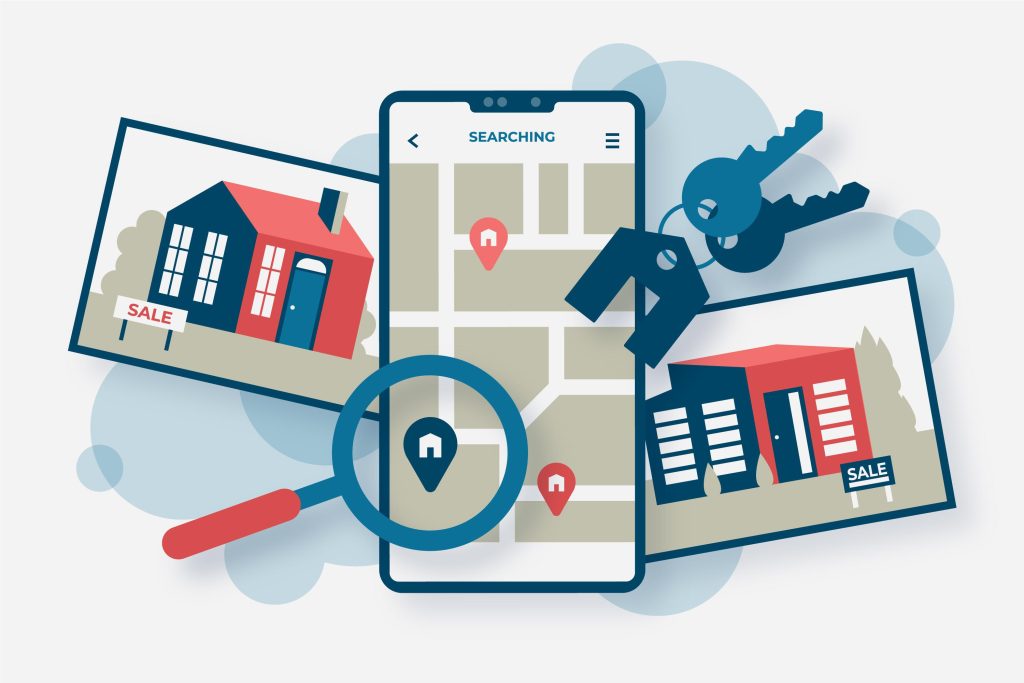
How to Do Real Estate Marketing: Strategies, Ideas & Best Practices

How to Do Real Estate Marketing: Strategies, Ideas & Best Practices Introduction Most buyers – almost 97%- are looking for properties online. Effectively marketing your real estate is essential to remain competitive in a tough market. This blog will introduce effective real estate marketing ideas that will bring you real results, such as simple strategies and advanced technologies, to help you differentiate yourself from other agents. Key Takeaways Real estate marketing combines traditional and digital methods to sell homes to qualified buyers. At this moment, digital real estate marketing is responsible for 97% of all home searches, which makes having a digital presence indispensable. Effective real estate marketing campaigns have a clear understanding of the target audience, use multi-channel tactics, and regularly report and track their success. Besides social media platforms, new technologies such as artificial intelligence (AI) and virtual reality (VR) are immensely altering the property marketing methods. Real estate agents are advised to allocate 5%-10% of their gross commission income for marketing to keep their campaigns growing over time. What is Real Estate Marketing? Real estate marketing is the tactical process of advertising real estate to potential buyers, sellers, and investors. This includes methods that have been around for generations, including ads in print, open houses, as well as digital advertising on websites, social media, search engine advertising, and automation. Why Real Estate Marketing Matters in 2026 Investing thoughtfully in your marketing is crucial to standing out. Great marketing can generate 3-5x returns while building long-term growth for your business. Your online presence often determines whether prospects consider you at all. Building Your Real Estate Marketing Foundation Segment your target consumer base using demographic, geographic, and need-based characteristics. Develop an attractive value proposition that clearly differentiates you from the rest. Reserve 5-10% of your total commission earnings for marketing—60% online, 40% offline. Invest in the essential business tools: a customer relationship management system, an email marketing platform, a social media scheduler, and analytics tools. Digital Marketing Strategies for Real Estate Website & SEO Your website is the main hub of your business in the digital world. Ensure the design is mobile-responsive—more than 70% of the searches are done on smartphones. Use location-specific keywords like “homes for sale in [city]” to get found by local customers. Develop content that reflects local market conditions and create guides for different neighborhoods. Google Business Profile is the first step. Pay-Per-Click Advertising Using Google and Facebook advertising can rapidly expose your business to new customers. You also have the power to decide which people and areas you want to target. Try different ad copies and keep your monthly budgets from $500 to $1000. Monitor conversion costs and focus on lead quality when optimizing changes. Social Media Marketing Facebook is excellent for community creation. Instagram works best to represent the properties through pictures and reels visually. LinkedIn assists you in establishing yourself as a market expert. TikTok lets you reach out to younger buyers by providing them with insider content. Be a good combination of promotional posts (30%), educational content (50%), and personal branding (20%). Also, try to communicate authentically—answer the comments and be active in local groups. Content Marketing & Visual Storytelling Properties presented with attractive pictures get 94% more attention. Do not hesitate to pay for a professional photographer. Make videos showing the property and the neighbourhood, or create educational content. With the help of virtual 3D tours, anyone can explore a property from afar. Drone videos can be very helpful if you want to show the area around the property from a unique angle.Grow your business with DigitCure! From web design and SEO to social media, PPC, and branding, we craft engaging, results-driven digital strategies that boost visibility, attract quality leads, and drive long-term growth. Emerging Technologies in Real Estate Marketing Chatbots powered by AI can do lead qualification at any time of the day; they also give instant replies to the most frequently asked questions, and at the same time, collect contact details. Virtual Reality property tours offer an immersive experience to buyers who are far away. Augmented Reality staging is a great idea for showing the potential of the empty spaces via a smartphone app. Predictive analytics uses historical data patterns to determine the best times for listing and the most effective pricing strategies. Marketing automation workflows are lead-nurturing systems that work systematically. They send personalised content to users depending on their behaviour and preferences, and as a result, the marketer gets free time to engage in other high-value activities. Measuring Success: KPIs & ROI Tracking Regularly monitor your website traffic, conversion rates, cost per lead, and lead-to-client conversion percentage. ROI calculation is used through customer lifetime value measurement, which also considers referrals. Generate monthly dashboards to keep track of performance trends and provide an efficient way of managing the budget. Real Estate Marketing Best Practices Compliance matters. Ensure that the marketing campaign is aligned with the provisions of the Fair Housing Act so that all the ads do not contain discriminatory language. Abide by the MLS rules when using the listing and sharing data. Maintain the ethical standards—be truthful about the state of the property and do not misrepresent the qualifications. Have ready response plans for unexpected situations such as a drop in the market or other unforeseen challenges. Adjust your strategies according to the season—spring and summer can be communicated differently than fall and winter markets. Emphasise creating durable client relationships by continuously providing your worth and not by the brief transactional interactions. If properly cared for, former clients will become your strongest network of referrals. Conclusion Real estate marketing mastery is about blending basic strategies with creative tactics. The best way to win is to thoroughly understand your target customers, be very visible online, leverage the new technologies, and, at the same time, regularly monitor the results of your efforts. One or two strategies at a time, perfecting them and then slowly extending your reach, would be the right way to go. Ready to transform

How to Do Real Estate Marketing: Strategies, Ideas & Best Practices Read More »

How to Calculate ROI in Digital Marketing — Strategy, KPIs & Why It Matters

Why Social Media Marketing Is Important for Your Business: Benefits, Costs, and Strategies for Small Businesses Introduction With extensive experience in helping organizations optimize the performance of their digital marketing strategies, we understand that measuring return on investment is not just a matter of numbers: it is ultimately a matter of making knowledgeable decisions that contribute to sustainable growth.  What is ROI in Digital Marketing?  In digital marketing, ROI (Return on Investment) measures the amount of revenue generated by marketing activities compared to the cost incurred. ROI is expressed as a percentage and shows how much profit you make for every dollar spent.   Understanding how to calculate ROI in digital marketing is important. This is important because it helps determine which campaigns warrant additional budget allocation, which channels are producing the best results, and what your marketing is doing to contribute to success for the business overall. If you don’t track ROI properly, your marketing spend is like flying blind. In this guide, you can learn the exact formulas, tools, and strategies to measure, track, and improve ROI in digital marketing campaigns. Key Takeaways Measuring ROI is the most important way of understanding how effective your digital marketing investments are likely to be.  The most important metrics for measuring marketing ROI are KPIs (key performance indicators) such as conversion rate, CPA, and ROAS.  When measuring ROI, tackling multi-channel attribution and ensuring that you are measuring ROI with the right measurement tools are key concerns.  Incremental optimization, whether it be through A/B testing or automated measurement tools, can have a significant impact on improving ROI.  On average, most profitable companies measure their ROI for digital marketing in the range between 3.1 and 5:1 ROI. How do you calculate the ROI on your digital marketing spend? ROI = (Revenue generated – Marketing costs) / Marketing costs x 100 Key steps include: Track all revenue attributable to marketing efforts Calculate total marketing costs (ad spend, tools, labor) Apply attribution models to assign credit properly Monitor regularly and optimize based on results Understanding ROI and KPIs What are ROI and KPI in digital marketing? ROI measures the financial return of your marketing investment, while KPIs (Key Performance Indicators) are specific metrics that help you track progress toward your ROI goals. Essential KPIs That Influence ROI: Conversion Rate: Percentage of audience completing the desired activities Cost Per Lead (CPL): Cost associated with obtaining a qualified lead Cost Per Acquisition (CPA): Cost related to obtaining a paying customer Return on Ad Spend (ROAS): Revenue received for every advertising dollar spent Customer Lifetime Value (CLV): Expected revenue received from the relationship All of these KPIs will offer a complete option of how your marketing efforts are performing and that have a direct impact on anything that you are measuring for ROI. However, Now To Calculate ROI in Digital Marketing: The Simple ROI Equation is: ROI = (Total Revenue – Total Marketing Investment) / Total Marketing Investment * 100 Let’s Work Together on an Example Step-by-Step ROI Calculation Tally Up Revenue: The campaign produced $50,000 in sales on the back-end Tally Up All Expenses: Ad spend ($8,000) + Tools ($500) + Labor ($1,500) = $10,000 total expenses Use the Same Formula: ($50,000 – $10,000) / $10,000 * 100 = 400% ROI Some Common Mistakes to Avoid: Not including all costs (tools, personnel time, creative development) Using incorrect attribution windows Ignoring assisted conversions in multi-touch journeys Focusing only on short-term returns The significance of Measuring ROI ROI is your main decision-making tool for budget allocation and strategy adaptation. When you know which campaigns bring in the highest returns, you can make positive decisions to move resources to improve profitability. Effect on Business Growth: Identifies the most profitable marketing channels Justifies marketing budget increases to leadership Facilitates discussions around data-driven optimization decisions Helps prevent money wasted on ineffective campaigns Organizations that measure and optimize ROI in a systematic fashion experience improvement in marketing performance from 15%-20% relative to organizations that have no systematic measurement of returns. Ways to Improve Digital Marketing ROI Optimize Campaign Budget & Targeting: Put budget toward profitable keywords and audience segments that drive high conversions. Use your best customers to make a lookalike audience for more targeted targeting. Enhance Your Conversion Rate: Test two different landing pages, ad text, or calls to action using A/B testing. Just a small improvement in conversion rate can have major changes to your overall ROI.  Utilize Multi-Channel Attribution: Use attribution methodologies that credit every touchpoint in the customer journey to provide a more accurate picture of how digital marketing contributes ROI to for a business. Align Sales and Marketing KPI’s: Get the sales team aligned with the marketing team around a common revenue goal and provide the supporting engagement for each stage of the sales process. This will create a consistent engagement of lead quality and shorten the sales process.  Incorporate Automation and Personalization: Use automation to engage with customers, nurture leads, and personalize the experience of use. Tools to Measure and Track ROI Recommended Analytics Tools: Google Analytics 4 for comprehensive tracking HubSpot for integrated marketing and sales data Salesforce for CRM and attribution modeling Facebook Analytics for social media ROI Best Practices for Implementation: Set up proper conversion tracking across all channels Use UTM parameters for accurate campaign attribution Design bespoke dashboards to analyze ROI in real time.  Merge and centralize data sources to view your marketing analysis holistically. For businesses looking to streamline their digital marketing measurement, Digitcure offers comprehensive analytics solutions and ROI optimization services. They help businesses integrate multiple data sources, automate reporting, and identify opportunities for improving marketing performance across all channels. Barriers in Calculating ROI Multi-Channel Attribution Problems: Your customers interact with multiple touchpoints before converting. Credit should be allocated fairly among each channel. This requires a robust attribution model to accurately document each touchpoint. Attribution Windows and Timing Lag: B2B sales cycles can exist for months, making it difficult to connect your marketing activities to the resulting conversion. Set your

How to Calculate ROI in Digital Marketing — Strategy, KPIs & Why It Matters Read More »

What Is Growth Hacking: Meaning, Strategy & Why It’s Important in Marketing

What Is Growth Hacking: Meaning, Strategy & Why It’s Important in Marketing Introduction Marketing today can often be ineffective in a hyper-competitive, digital world, especially for companies that want to grow quickly over the long term. While large, established companies can throw more money at bigger advertising budgets, smaller, faster companies need to be smarter and more creative to be competitive.  With over 7+ years of experience helping companies grow digitally, we know how growth hacking has taken companies from struggling startups to market leaders. This guide will give you the knowledge and implementation of marketing growth hacking successfully Key Takeaways Growth hacking is a data-oriented marketing process designed to facilitate rapid, scalable growth through innovative, low-cost methods.  Growth hacking incorporates marketing, analytics, and product development to identify ways for businesses to grow as quickly as possible.  Growth hacking is ideally suited to startups and businesses with limited resources that want to make the most of their budget.  Growth hacking is grounded in ongoing experimentation, testing, and optimization instead of standard marketing methods.  The success of growth hacking depends on the ability to understand and identify key factors, leverage customer behavior and, most importantly, measure everything.  What Is Growth Hacking? The term “growth hacking” was created by entrepreneur Sean Ellis in 2010, but the idea emerged from the necessity of startups that are short on cash in Silicon Valley. Startups realize they cannot compete with a traditional advertising budget, so they come up with innovative, cost-effective ways to acquire users and achieve explosive growth. Growth hacking is a process of rapid experimentation carried across marketing channels and product development to determine the most effective and efficient ways to grow a business. Traditional marketing focuses on established practices. Growth hacking applies measurement, testing, and scale. Why Is Growth Hacking Important in Marketing? Growth hacking is a critical part of modern marketing for several reasons: Resource Efficiency: A startup or small business can achieve growth without huge marketing budgets. Growth hacking strategies cost a fraction of traditional advertising and deliver better results.  Speed and Flexibility: Traditional marketing campaigns can take months to produce and execute. Growth hacking allows businesses to quickly test and iterate, enabling them to respond to new opportunities and market changes rapidly. Data-Driven Results: Each growth hacking initiative is measured and analyzed. This means no guesswork, and businesses can ensure their marketing efforts go toward strategies that actually deliver growth instead of just generating brand awareness.  Scalability: One of the best aspects of growth hacking strategies is that they create self-perpetuating growth loops. Once these mechanisms are running, they continue to generate growth with little investment.   How Growth Hacking Functions Growth hacking is systematic experimentation and optimization through all phases of the user journey. The process generally follows the AARRR framework: Acquisition: How do you acquire a customer? Growth hack experimentation involves activities like content marketing, social media, SEO, partnerships, and referral programs, to discover which channels provide the lowest cost to acquire a customer. Activation: What result can get a user to take their first meaningful action with the product or service? Activation includes experimentation within an optimized onboarding process, which minimizes friction and leads to users realizing the core value quickly. Retention: How do we keep the user engaged? Growth hackers study user engagement behaviors to understand what drives long-term engagement and implement strategies to decrease churn rates. Referral: How could users help us grow? Viral mechanics, referral programs, and social sharing are built into your product or service. Revenue: What leads users to be monetized? Growth hackers optimize pricing, upgrade flows, and revenue-generating features while maximizing user happiness. Popular Growth Hacking Strategies and Tactics Below are growth hacking strategies that have been shown to work and can be applied immediately: Referral Programs Incentivize the referrer and the new customer Provide social media one-click sharing options to make sharing easy Track and optimize referral conversion rates continuously Content Marketing with Shareability Create valuable content that is highly shareable and will spread on its own Build interactive tools or calculators that deliver instant value Create content based on trending or current events Freemium or Trial Strategies Remove barriers to initial product experience Establish distinct value before asking for monetary investment Use behavior analysis to send purposeful upgrade prompts to users Social proof and scarcity Show user activity in real time, customer reviews, and experiences Create offers with time constraints or exclusive abilities Spotlight customer experiences or success stories Email Marketing Optimization Personalized onboarding sequences that prompt activation Behavioral triggers that help inactive users re-engage Campaigns segmented by user actions and preferences At Digit Cure, we specialize in helping businesses implement data-driven growth strategies that deliver measurable results. Our team combines deep analytical expertise with creative growth hacking techniques to help companies achieve sustainable, scalable growth. Whether you’re a startup looking to establish market presence or an established business seeking to accelerate growth, Digit Cure provides the tools, strategies, and support needed to transform your digital marketing performance. Conclusion Growth hacking represents a significant departure from conventional marketing mechanisms, utilizing experimentation, data-driven decision-making, and scalable growth strategies as alternatives to costly advertisements. Recognizing what growth hacking is about, how it works strategically, and why it is essential to modern business, you are ready to begin harnessing these methodologies.  Effective growth hacking is driven by tests, learning from successes and failures, and understanding customers throughout the growth process. Start small with defined tests, and build to more complex growth loops and viral components.  It’s important to remember that growth hacking is not a single “magic bullet” solution approach, but systematic, analytical, and adaptable approaches based on business objectives and market conditions. FAQs 1. What skills are needed to be a growth hacker? Growth hackers need a unique blend of analytical, technical, and creative skills, such as data analytical skills, all the way to coding experience, as well as digital marketing skills, customer psychology, creativity, and product features, and the ability to think about users’ experience.  2: In what ways

What Is Growth Hacking: Meaning, Strategy & Why It’s Important in Marketing Read More »

Why Social Media Marketing Is Important for Your Business: Benefits, Costs, and Strategies for Small Businesses

Why Social Media Marketing Is Important for Your Business: Benefits, Costs, and Strategies for Small Businesses Introduction Social media has transformed from a simple networking platform to a powerful marketing tool that can significantly impact small businesses in the current digital landscape. With over 4.8 billion users worldwide, one of the primary challenges for entrepreneurs seeking to grow their businesses is figuring out how to initiate social media marketing for small business owners. Whether you’re running a local bakery, a consulting service, or an e-commerce startup, comprehending the significance of social media marketing for small businesses has become crucial for survival and growth in a competitive marketplace. Utilizing social media marketing has the potential to increase website traffic by 78% and enhance business visibility by 89%. Initially, concentrate on two to three platforms instead of spreading across all available channels; small businesses can begin with an investment of just $100 to $500 monthly and grow based on their results.  The level of engagement and consistency in content is more crucial than the total number of followers. Accurately measuring ROI through analytics is vital for sustained success over time. Why Social Media Marketing Is Important for Your Business A. Unmatched Brand Visibility and Awareness At a fraction of the price of traditional advertising, social media platforms provide an unparalleled reach. By producing interesting content that appeals to their target audience, small businesses may now compete with larger organizations. When consumers are prepared to make decisions about what to buy, this visibility helps them remember your company and increases brand recognition. B. Cost-Effectiveness and Measurability Understanding how much social media marketing costs is one of the main benefits. Social media marketing, compared to traditional advertising, can start with a small initial investment. Businesses of all sizes can afford sponsored advertising, which starts at as little as $5–10 per day, while organic publishing is free. C. Improved Customer Engagement & Trust Social media offers both businesses and customers a direct line of communication. The following mutually beneficial relationship creates a sense of community around your business, addresses issues immediately, and builds trust. Repeat business and devoted advocates are more likely to come from engaged customers. D. Data-Driven Customer Insights Social media platforms provide extensive details about the traits, preferences, and behaviors of your intended audience. These insights aid in making informed business choices, enhancing product offerings, and improving marketing tactics. E. Increase in Website Traffic, Leads, and Sales Successful social media marketing attracts potential customers, directs valuable traffic to your website, and ultimately increases sales. Companies can guide their social media audience through the sales funnel by sharing valuable insights and strategically placed calls to action. F. Crisis Management and Brand Resilience Social media enables businesses to promptly and transparently address critical comments, transforming possible crises into chances to deliver outstanding customer service and strengthen relationships with clients. G. Competitive Advantage Many small businesses still do not fully take advantage of social media, allowing those who adopt it early to seize the initiative and capture market share ahead of their competitors. How to Effectively Use Social Media for Marketing Instead of publishing at random, an organized plan is necessary to understand how to use social media for marketing. The following is your route: A. Choose the Right Platforms Not every business can benefit equally from every social media platform: Facebook: Greatest for community development, B2C businesses, and local businesses Instagram is ideal for visual brands, dining establishments, retail stores, and lifestyle companies. LinkedIn: Crucial for professional services, thought leadership, and business-to-business firms TikTok: Great for distributing imaginative, interesting content to younger audiences Twitter/X: Excellent for industry news, customer support, and real-time updates B. Set Clear Goals & KPIs Establish clear, measurable goals: Brand awareness (following, impressions, and reach) Engagement (likes, shares, saves, and comments) Lead generation (contact form submissions, email signups) Sales (attribution of revenue, conversions) C. Content Creation & Curation Create a content strategy that consists of: Content for education: Industry insights, advice, and how-to guides Behind-the-scenes: Process videos, company culture, and team highlights User-generated content includes client endorsements, reviews, and images. Promotional materials include announcements, exclusive deals, and new product releases. Curated content includes pertinent third-party content and industry news. D. Community Management & Engagement Active community management involves: Responding to comments and messages promptly Engaging with followers’ content Joining relevant conversations and hashtags Building relationships with influencers and industry peers Moderating discussions and maintaining brand standards E. Paid Social Advertising & Retargeting Maximize ROI with targeted advertising: Create detailed buyer personas for precise targeting Use retargeting pixels to re-engage website visitors Test different ad formats (video, carousel, single image) Implement A/B testing for optimization Set up conversion tracking to measure results F. Social Listening & Real-Time Optimization Keep an eye on industry discussions and brand mentions: Monitor the reputation and sentiment of your brand. Determine popular subjects and business potential. Track the actions of your competitors Proactively address consumer feedback Adapt tactics in light of real-time insights. G. Measure, Analyze & Improve Regular analysis ensures continuous improvement: Review platform analytics monthly Track KPI progress against goals Identify top-performing content types Adjust posting schedules based on engagement data Refine targeting and messaging based on results Working with a seasoned digital marketing agency can be crucial for entrepreneurs looking for professional advice on enhancing the online visibility of their small business. Digit Cure is a leading digital marketing agency with a strong reputation in both India and Dubai. They provide specialized tactics that help firms succeed in the cutthroat online economy, ranging from web building and branding to social media marketing and SEO. The team at Digit Cure combines technological know-how with creativity to provide quantifiable outcomes, which makes them an invaluable partner for companies looking to increase their online presence and boost growth. Costs & Considerations for Small Businesses Depending on strategy and scale, small business owners’ responses to the question of how much social media marketing costs vary greatly: DIY Approach ($100-500/month) Tools for managing social media: $15–50 a

Why Social Media Marketing Is Important for Your Business: Benefits, Costs, and Strategies for Small Businesses Read More »

What Is Organic Traffic: Definition, Benefits & Proven Ways to Increase Website Traffic

What Is Organic Traffic: Definition, Benefits & Proven Ways to Increase Website Traffic Introduction With 7+ experience in digital marketing, we have assisted many businesses in enhancing their presence online with organic traffic techniques. What is organic traffic? Organic traffic is the key to successful websites – it represents the visitors who find your content organically through search engines and social media within the framework of unpaid advertising. In 2025, organic traffic remains the most valuable source of website visitors, delivering higher conversion rates, building lasting brand authority, and providing sustainable growth without ongoing advertising costs. This comprehensive guide will teach you exactly what organic traffic is, why it’s crucial for your business success, and proven strategies to increase website traffic organically that drive measurable results. Key Takeaways Organic traffic is defined as visitors arriving from unpaid search engines and social media In comparison to outbound marketing leads, organic visitors have a 14.6% close rate versus 1.7% High-quality content using long-tail keywords can increase organic traffic by 300-500% Building organic traffic takes 3-6 months, but provides a steady flow of leads in the long term.. By maximizing your efforts in terms of SEO, content marketing, and social media, you will optimize your growth in organic traffic. What is organic traffic, and how can I increase it? Organic traffic is made up of visitors who find your website through unpaid search results. Organic traffic delivers high-quality leads with better conversion rates than paid advertising. Strategies to increase organic traffic: Regularly publish valuable, optimized content  Use long-tail keywords with clear user intent  Build quality backlinks from authoritative websites  Optimize speed and mobile experience  Leverage social media to promote your content What Is Organic Traffic? Organic traffic is visitors who access your site from unpaid ways, such as search engines, or through organic social media posts, direct links, and referrals. Organic Search Traffic: This is basically users who clicked your site from the search engine results pages without paid placements. If someone searches for “best running shoes” and then clicks on your blog post from a naturally ranked result, they came to your site through organic search traffic. Organic Social Traffic: Visitors that find your content based on organic social posts, shares, and recommendations on social media platforms like Facebook, Twitter, LinkedIn, and Instagram. How Search Engines Drive Organic Traffic: Search engines use complicated algorithms to rank content based on: Keyword relevance: Whether your content is relevant to what users search for Content quality: Thorough, helpful information that can answer the user’s query Website authority: Trust signals from backlinks, age of domain, and user engagement Technical optimization: Speed, mobile-friendliness, and user experience Organic vs. Paid Traffic: Unlike paid advertisements (PPC), organic traffic doesn’t require ad spend after you’re done. Once you stop paying, paid ads don’t bring new traffic; a well-optimized organic piece can continue to bring visitors years later. Benefits of Organic Traffic Cost Effectiveness/Long-Term ROI: Organic traffic is one of the best odds deals you can get without a per-click price. Once your content is ranked, it keeps getting visitors forever without having to pay to promote it, creating compounding returns over time. High-Quality and Intent-Based Visitors: Organic visitors engage with your site only when they are searching for a solution to their problem, meaning they are far more likely to convert. Organic traffic converts 14.6% of the time compared to outbound marketing leads, which convert only 1.7%. Builds Brand Credibility and Authority: When you rank highly in search engine results, it helps establish your business as an authority in your industry. 70% of marketers use SEO for their sales rather than Google Ads/PPC. Enhances Integrated Marketing: When you have strong organic traffic, it will strengthen email marketing, social media, and paid ads by giving you content to promote and share across those channels. Sustainable and Scalable Growth: Organic traffic growth is compulsive, accelerating over time as your content library grows and domain authority increases.  Increased Brand Awareness: Regularly issuing organic visibility keeps your brand fresh in the mind of customers, builds recognition and loyalty that leads to repeat visits and referrals. How Organic Traffic Works Search Engine Algorithm Fundamentals: Google’s algorithm assesses over 200 ranking factors to determine which pages should rank highest for any given query. Some of the most important factors:  Content Relevance and Quality: Search engines favor content that answers users’ questions completely using relevant, accurate, researched, and written information presented in an engaging way. Keyword Usage: By choosing relevant keywords that are strategically placed in the title, headers, meta descriptions, and used naturally in content, you increase the chances that search engines will want to rank your page. Website Performance Factors: Page Load Speed: Sites that load in under 3 seconds rank better Mobile Responsiveness: Important since 60% of searches are made on mobile devices Core Web Vitals: Important user experience metrics used by Google to rank websites. Backlink Authority: Quality links to your site from trusted websites signal trust and authority. Backlinks can be a major driver of organic rankings and traffic. User Experience Signals: Low bounce rates, high dwell time, and positive user interactions are good signals of quality content and will contribute to higher search engine rankings. Proven Ways to Increase Website Traffic Organically Write Quality Search Optimized Content: Create complete content that helps the user and that competes with the competition. Usually, any long-form content (1,500-plus words) will rank better than shorter content by providing more value.  Long-tail Keywords: Use more specific phrases, for example, “how to increase organic traffic on a website” rather than “traffic.” Long-tail keywords have less competition and provide better conversion rates. Master On-Page SEO Optimization: Title Tags: The primary keywords should be within 60 characters Meta Descriptions: Compelling summaries of 150-160 characters Header Structure: Ensure you use your H1, H2 & H3 tags in a logical structure Image optimization: Alt text and compressed file sizes Create Quality Backlink Profiles: Acquire links via guest posts, outreach to resource pages, broken link building, and linkable assets, such as

What Is Organic Traffic: Definition, Benefits & Proven Ways to Increase Website Traffic Read More »

What are SEO Services: Costs, Value, and Why You Need Them

What are SEO Services: Costs, Value, and Why You Need Them Introduction With over 7+ years of digital marketing expertise, we’ve helped hundreds of businesses transform their online presence through strategic SEO implementation.  What are SEO services? Simply put, SEO (Search Engine Optimization) services are professional strategies that aim to enhance your website’s visibility in search results, thereby attracting more qualified traffic to your business.  In today’s competitive digital landscape, where 93% of online experiences begin with a search engine, it is essential to survive and grow a business in today’s digital landscape. In this complete guide, we will explore the costs of SEO services, demonstrating their worth, and how your business needs to adopt these approaches to build and maintain an effective online presence. Key Takeaways SEO services can include on-page, off-page, technical SEO, and local optimization. Monthly SEO prices can vary greatly, from $500-$10,000+, depending on the scope of work and the skills of the provider. Professional SEO is 5-10x more profitable than traditional marketing methods. Local SEO services usually run $300-$5,000/month, and are especially useful for businesses that focus on locations. Good quality SEO takes 3-6 months to come into effect, but it is a long-lasting, long-tail investment. What Are SEO Services? SEO services encompass a comprehensive range of optimization strategies designed to improve your website’s search engine performance: On-Page SEO Services: Keyword research and optimization Content creation and optimization Meta tags and header optimization Internal linking strategies Page speed and user experience improvements Off-Page SEO Services: Link building and outreach campaigns Brand mention monitoring Social media integration Online reputation management Technical SEO Services: Website architecture optimization Mobile responsiveness improvements Core Web Vitals optimization Schema markup implementation Site security and SSL certification Local SEO Services: Local SEO services focus specifically on optimizing businesses for location-based searches. This includes Google My Business optimization, local citation building, review management, and localized content creation—essential for businesses serving specific geographic areas. Content and Analytics: SEO audits and competitor analysis Monthly reporting and performance tracking Content strategy development Conversion rate optimization Why Do You Need SEO Services? Professional SEO services deliver measurable business benefits that compound over time: More Organic Traffic and Revenue: SEO ultimately drives qualified traffic. Traffic that is actively searching for your products or services (or similar) and showing interest in your content. The best part is that you do not have to keep paying (like advertising) for the organic traffic to keep coming in! You get sustainable growth and value over the long term. Better ROI than Paid Advertising: PPC ads or similar methods, like going to print, a constant/daily investment is needed to see results. With SEO, the results last. SEO has been shown to provide 5-10 times the ROI of other traditional marketing strategies and continues to provide value, unlike print or paid advertising.. Increased Authority of Your Brand: Higher search rankings provide trust and authority to your brand directly. People typically think of search results as levels of authority. Users think that those websites ranking in the top spots are the best in the space. Higher search results mean brand credibility goes up, and customers feel good about training with you. Better Ability to Adapt: In light of AI, it is the best time to hire SEO services. E- E-A-T (Experience, Expertise, Authoritativeness, Trustworthiness) is a key principle that will begin to attract better rankings and comply with future changes and adaptations that will undoubtedly happen. Your website needs proper guidance to comply with search algorithms, or you risk losing value. Competitive Edge: If your competitors are investing in SEO services (and you are not), you lose your market share (period). Investing in SEO will help your brand compete and retain more share of your organic search traffic. How Much Do SEO Services Cost? Understanding SEO pricing helps you budget effectively and avoid unrealistic promises: Monthly Retainer Pricing: Small Local Businesses: $500-$2,500/month Medium Businesses: $2,500-$5,000/month  Large Enterprises: $5,000-$10,000+/month Local SEO Service Costs:  Local SEO services normally cost $300-$5,000/month. The cost depends on: Number of locations Competition level in your area Scope of local optimization needed One-Time Project Costs: SEO audits- $500-$5,000 Website optimization projects- $2,000-$20,000 Content creation packages- $1,000-$10,000 Regional Pricing Differences: In countries like India, SEO is priced from ₹15,000-₹2,00,000/month, while providing a great service at a great price. Cost-Influencing Factors: Industry competition level Business size and goals Geographic scope (local vs. national vs. international) Current website condition Desired timeline for results Warning: Avoid providers promising instant results or guaranteed rankings for extremely low prices—quality SEO requires time, expertise, and consistent effort. Are SEO Services Worth It? The ROI of professional SEO services makes them one of the most valuable marketing investments: Concentrate on keywords that fit your content’s aim and align with your business objectives. Long-tail keywords often yield higher conversion rates, despite having lower search volumes, thus proving beneficial for targeted traffic.   Cost-Effectiveness Analysis: SEO costs significantly less than PPC advertising long term Organic traffic doesn’t require per-click payments Results compound over time, increasing value Measurable Business Impact: Businesses investing in professional SEO services typically see: 200-500% increase in organic traffic within 6-12 months 150-300% improvement in qualified leads 25-50% reduction in customer acquisition costs Long-Term Value Creation: SEO generates long-lasting value, as opposed to paid advertising that generates traffic only while paying for it. Solid, optimized content can generate traffic for years. When SEO Is Not Right: SEO costs significantly less than PPC advertising long term Organic traffic doesn’t require per-click payments Results compound over time, increasing value Measurable Business Impact: Businesses investing in professional SEO services typically see: 200-500% increase in organic traffic within 6-12 months 150-300% improvement in qualified leads 25-50% reduction in customer acquisition costs Long-Term Value Creation: SEO generates long-lasting value, as opposed to paid advertising that generates traffic only while paying for it. Solid, optimized content can generate traffic for years. When SEO Is Not Right: Extremely short-term goals (under 3 months) Businesses with severe budget constraints are unable to commit to 6+ month campaigns

What are SEO Services: Costs, Value, and Why You Need Them Read More »

What Is Paid Media in Marketing?

What Is Paid Media in Marketing? Running a business today? You’ve probably heard about different ways to get your brand noticed online. One approach that really works is paid media. Think of it as paying to put your business in front of the right people at the right time. Whether you’re just starting or want to grow your existing business, paid media can help you see results quickly. Let’s break down everything you need to know in simple terms. What Exactly Is Paid Media? Paid media is pretty straightforward – it’s any advertising you pay for to get your message out there. This could be ads on Google when someone searches for something, sponsored posts on Facebook, or even paying an influencer to talk about your product. Here’s a simple example: Let’s say you own a coffee shop. You could pay Facebook to show your ad to people who live nearby and love coffee. When they see your ad, they might visit your shop or order online. Why Paid Media Works Think about it – when you start a business, nobody knows about you yet. Paid media solves this problem by: Getting you noticed right away (no waiting around for people to find you) Letting you choose exactly who sees your ads Giving you the flexibility to spend more when things are working Showing you clear numbers about what’s working and what isn’t Supporting your other marketing efforts Different Types of Paid Media You Can Try 1. Search Engine Advertising (Like Google Ads) When someone searches for “best pizza near me,” your pizza place can show up at the top of the results. You pay Google to make this happen. 2. Social Media Advertising Facebook, Instagram, LinkedIn – these platforms let you show ads to very specific groups of people. A local gym might target people interested in fitness who live within 15 miles. 3. Display Advertising These are the banner ads you see on websites. If you sell gardening tools, your ads might appear on gardening blogs. 4. Influencer Marketing You pay someone with the following to talk about your product. A food blogger might review your restaurant for their audience. 5. Native Advertising These ads look like regular content but are paid promotions. You might see these as “sponsored articles” on news sites. 6. Affiliate Marketing You pay people a commission when they help you make sales. Many online stores use this approach. A Real Success Story Spotify does something smart with its annual “Wrapped” campaign. They pay for ads across different platforms to get people excited about sharing their listening habits. The result? Tons of people download the app, upgrade to premium, and share their results online (which becomes free advertising for Spotify). This works because they combine personalization with smart advertising across multiple channels. For businesses wanting similar success, working with experienced professionals makes a huge difference. Digit Cure, a full-service digital marketing and growth hacking agency based in Goa, specializes in creating comprehensive paid media strategies that drive measurable results. Their expertise in search engine optimization, social media marketing, and content marketing helps businesses scale up effectively through data-driven digital marketing solutions. Paid Media vs. Other Types of Marketing Let’s clear up some confusion. There are three main types of media: Type What It Means Examples Paid Media You pay to promote your content Google Ads, Facebook Ads, sponsorships Owned Media Owned Media You control the platform Your website, email list, and social media accounts Earned Media Others talk about you for free Customer reviews, word-of-mouth, social shares The key difference? Paid media gets you quick reach, owned media builds long-term relationships, and earned media builds trust. Numbers That Matter in Paid Media When you’re running paid ads, keep an eye on these important numbers: Click-Through Rate (CTR): How many people click your ad Cost Per Click (CPC): How much each click costs you Conversion Rate: How many clicks turn into customers Cost Per Acquisition (CPA): How much it costs to get one new customer Return on Ad Spend (ROAS): How much money you make for every dollar spent Impressions: How many times do people see your ad Quality Score: How relevant and useful your ad is Cost Per Mille (CPM): Cost for 1,000 people to see your ad Lifetime Value (LTV): Total money a customer spends with you over time How to Create Great Paid Social Media Ads Here are some practical tips that work: 1. Know What You Want Are you trying to get more website visitors? Generate leads? Make sales? Be clear about your goal. 2. Understand Your Audience Social media platforms let you get really specific about who sees your ads. Use this to your advantage. 3. Make Eye-Catching Content Use images or videos that make people stop scrolling Write clear headlines that grab attention Include a clear call-to-action (like “Shop Now” or “Learn More”) 4. Test Different Versions Create several versions of your ad and see which one performs better. This is called A/B testing. 5. Start Small, Then Grow Begin with a small budget and increase it when you see good results. 6. Keep an Eye on Performance Stop ads that aren’t working Adjust who sees your ads if needed Change your images/videos regularly to keep things fresh 7. Use Retargeting Show ads to people who have already visited your website – they’re more likely to buy. 8. Find Similar Customers Use your existing customer data to find new people who might be interested in your business. 9. Make It Mobile-Friendly Most people use social media on their phones, so make sure your ads look good on mobile. 10. Track Everything Use analytics tools to see what’s working and what isn’t, then make improvements. Conclusion Paid media is like having a fast track to getting noticed online. It gives you immediate visibility, lets you target exactly the right people, and shows you clear results. Whether you’re using social media ads, Google search ads, or working with influencers, paid

What Is Paid Media in Marketing? Read More »

Why Is Authenticity Important When Marketing to Gen Z

Why Is Authenticity Important When Marketing to Gen Z When it comes to marketing to Gen Z, authenticity isn’t just a buzzword—it’s a necessity. Born between the mid-1990s and early 2010s, Gen Z has grown up with instant access to information, endless choices, and a strong sense of social awareness. This generation is quick to call out anything that feels inauthentic or overly promotional. For brands hoping to engage them effectively, understanding the importance of genuine, transparent communication is key. Who Is Gen Z and Why Do They Matter? Before diving into strategy, it’s important to answer a crucial question: why is Gen Z important to marketers? Gen Z is the most digitally fluent generation to date, with massive influence over online trends, social commerce, and buying decisions—both for themselves and within their households. As this group enters the workforce and gains financial independence, their purchasing power continues to grow rapidly. And why is Gen Z called Gen Z? The term follows the alphabetical naming trend after Gen X and Gen Y (Millennials). But in reality, this generation defies labels—they prioritize values over labels and demand that brands do the same. The Core Difference: Marketing to Gen Z vs Millennials It’s tempting to lump Gen Z and Millennials together, but the way they consume content and make decisions is quite different. This distinction is crucial when comparing marketing to Gen Z vs Millennials. While Millennials value brand prestige and are influenced by online reviews, Gen Z craves realness, representation, and relevance. They look beyond the polished ads and seek out brands that align with their beliefs and speak their language. For instance, Gen Z prefers creators over celebrities, storytelling over hard selling, and values-based messaging over flashy gimmicks. They are highly skeptical and quick to dismiss anything that feels forced or fake. The Role of Authenticity in Gen Z Marketing Strategies So what exactly does authenticity mean in Gen Z marketing strategies? It means being honest, transparent, and human. Gen Z doesn’t expect perfection—they expect honesty. They want to see the people behind the brand, understand your values, and know where you stand on issues that matter. Here are a few key pillars of authentic marketing for Gen Z: 1. User-Generated Content Gen Z trusts peer recommendations more than any brand message. UGC (user-generated content) provides real-life proof that a brand delivers on its promise. Encouraging your customers to share experiences builds community and authenticity. 2. Social Responsibility This generation wants brands to take a stand. Whether it’s sustainability, diversity, or mental health awareness, Gen Z rewards companies that are active and transparent about social causes. 3. Behind-the-Scenes Access Giving your audience a peek behind the curtain can humanize your brand. From “day in the life” content to founder stories, raw and relatable content performs better than over-polished campaigns. 4. Influencer Partnerships—The Right Way Partnering with influencers can be powerful—but only when done authentically. Gen Z can sniff out paid promotions in seconds. The best influencer partnerships feel natural and align with both the creator’s and the brand’s values. Tips for Brands: How to Be More Authentic Use clear, conversational language. Skip the corporate jargon. Speak the way your audience speaks. Be transparent. Whether it’s about pricing, production, or your mission—be open and honest. Admit mistakes. Owning up to missteps and showing how you’re improving builds trust. Engage, don’t just broadcast. Gen Z wants conversations, not monologues. Use social media to interact, not just advertise. Final Thoughts Authenticity isn’t a strategy—it’s a commitment. When brands approach marketing to Gen Z with honesty, empathy, and value-driven messaging, they build not just loyal customers, but passionate advocates. In a world saturated with ads and content, it’s the real stories, real voices, and real values that stand out. As the digital landscape evolves, so must your approach to Gen Z marketing. Understand their mindset, respect their values, and most importantly—keep it real. You might also like…. How to Calculate ROI in Digital Marketing — Strategy, KPIs & Why It Matters You might also like…. 17Oct How to Calculate ROI in Digital Marketing — Strategy, KPIs & Why It Matters 17Oct What Is Growth Hacking: Meaning, Strategy & Why It’s Important in Marketing 26Aug Why Social Media Marketing Is Important for Your Business: Benefits, Costs, and Strategies for Small Businesses

Why Is Authenticity Important When Marketing to Gen Z Read More »

Enquire Now

Want to grow online? Fill out the form for marketing solutions!


This will close in 0 seconds

Scroll to Top