
A Beginner’s Guide to SEM, PPC, and Paid Advertising?
Introduction
What Is SEM?
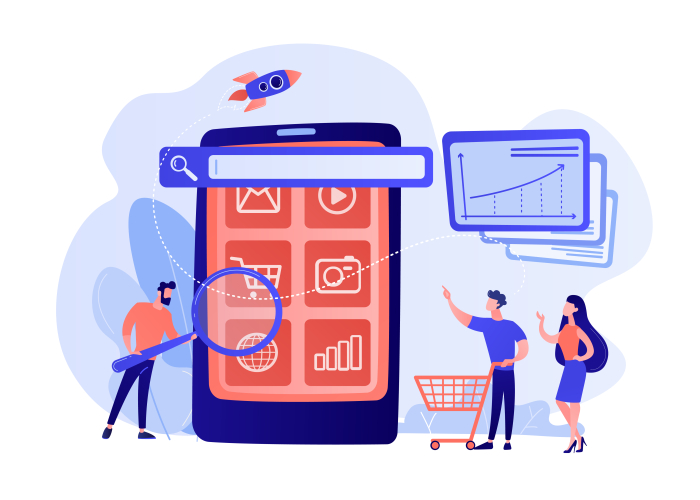
Search Engine Marketing, or SEM, is a form of internet marketing that allows the promotion of websites on the Search Engine Result Pages or SERPs. It is the type of marketing that helps websites gain traffic by purchasing ads on search engines.
With over a billion websites online, it is a cut-throat competition for your website to stand out in the results pages. SEM provides an effective way to promote your website online. Search Engine Marketing is a practice of using paid advertisements on SERPs to market their website. These paid advertisements are also known as pay-per-click, and they are of different types. Some are text-based, while others are product promotions.
Key Takeaways
- SEM (Search Engine Marketing) is a digital marketing strategy that includes paid ads on search engines to make a website more visible and bring in more traffic.
- PPC (Pay Per Click) is a main part of SEM, where advertisers pay only when users click their ads, thus allowing cost-effective campaigns.
- SEM and SEO are two different things that can work together; keyword research is the basis for both, which ensures there is coordination between paid and organic strategies.
- With PPC, advertisers can accurately target the right audience using specified keywords, demographics, location, and user behaviour, thus they can get the best return on their investment.
- SEM offers real-time, measurable results, which is why businesses can effectively track the performance, retarget the audiences, and keep on optimising the campaigns.
- By putting money into SEM, a company can increase its online presence, gain trust, and get access to buyers who are actually looking for products/services at that particular point in their purchase journey.
In 2007, U.S. advertisers spent $24.6 billion on search engine marketing. And as of October 2016, Google leads the global search engine market with a market share of 89.3%. Bing comes second with a market share of 4.36%, Yahoo comes third with a market share of 3.3%, and Chinese search engine Baidu is fourth globally with a share of about 0.68%
The advantage of adopting SEM is that it displays ads in front of motivated buyers at the right time, i.e. at the time they are making up their mind to purchase. This makes it an effective and powerful tool to grow and promote businesses.
What Is PPC?
Pay-per-click is a part of Search Engine Marketing that involves buying display ads wherein businesses can promote themselves. Advertisers only pay when someone clicks on the ad instead of the number of impressions that occurred.
Apart from Google and Microsoft Advertising, social media platforms have incorporated this method and support PPC, which helps Businesses display images, audio, and videos to attract consumers.
The biggest advantage when it comes to PPC is its ability to track the progress and re-target the audience. It delivers much faster compared to other forms of marketing and provides real-time results for businesses to follow up.
Advertisers can target their audience using keywords, demographics like location, age, and purchase behaviour etc. This makes it an effective way of targeting a specific audience that is interested in the shown advertisements.
SEO and SEM?
SEM incorporates SEO into its strategy as it includes both paid search results as well as organic search results. Keyword Research forms the foundation for both SEO and SEM strategies. They must be updated frequently to keep up with the evolving trends.
Try our list of 5 Promising Keyword Research Tools to Use in 2025 to find high-intent keywords for your campaigns.
There must be an alignment with both the SEO and SEM aspects of the strategies. Both the streams have the same goal end of that day, i.e. to bring traffic and increase the visibility of the website. PPC incorporates SEO, and both the teams that deal with SEO and SEM need to coordinate and work alongside if this needs to be achieved.
In Conclusion
Search Engine Marketing is a tool to create and edit the website content to gain better visibility in the SERPs. There are various reasons why businesses invest in this marketing. First, for its effectiveness in delivering results, allowing for tracking progress, and adjusting. This is a comparatively easy and reliable way of digital marketing that builds credibility within a budget. There is a process that goes into SEM and various steps involved, which we will get into with upcoming blogs.
For expert solutions, contact Digit Cure to access a full range of SEO and digital marketing strategies designed to boost your online visibility, drive qualified traffic, and grow your business.
FAQs
What is the difference between SEM and SEO?
SEO is about boosting a website’s organic ranking through various on-page and off-page activities. On the other hand, SEM is a combination of SEO and paid advertising campaigns to get a website noticed more by search engine users.
How does PPC work?
With PPC ads, companies design ads and place bids on certain keywords. They pay for the ad only when a user clicks on it, thus making the targeting very efficient and giving them control over the cost.
Why is keyword research important in SEM and PPC?
Through keyword research, one can discover the search queries that indicate the highest user intent and are used by the target audience. It makes certain that the ads, as well as the SEO efforts, reach the right people and, in turn, quality traffic is generated.
Are social media sites valid PPC campaign channels?
Yes. Such platforms as Facebook, Instagram, LinkedIn, and Twitter enable PPC campaigns through the use of image, video, or carousel ads, thus allowing businesses to target the specific demographic and interests of the audience.
How can businesses benefit from SEM?
By using SEM, businesses can access the market right away, direct their ads to the most likely buyers, have an instant and accurate measure of their campaign performance, make the best use of their budget, and additionally, use SEO.